Cresus: a Symfony middleware for watch buy-back and trading


Cresus

Pre-owned watch trading runs on data: what customers want to sell, what they are looking for, what is in stock in each store, and at what price. From 2019 to 2022, Sutunam built for Cresus a Symfony middleware that brings this data into one tool, used by the store teams, and exposes it through APIs to the Magento site and the PWA.
One source of truth for the whole business

Handle every buy-back

Never miss a request

Set the right price

Run the business on data
Data at the heart of the business
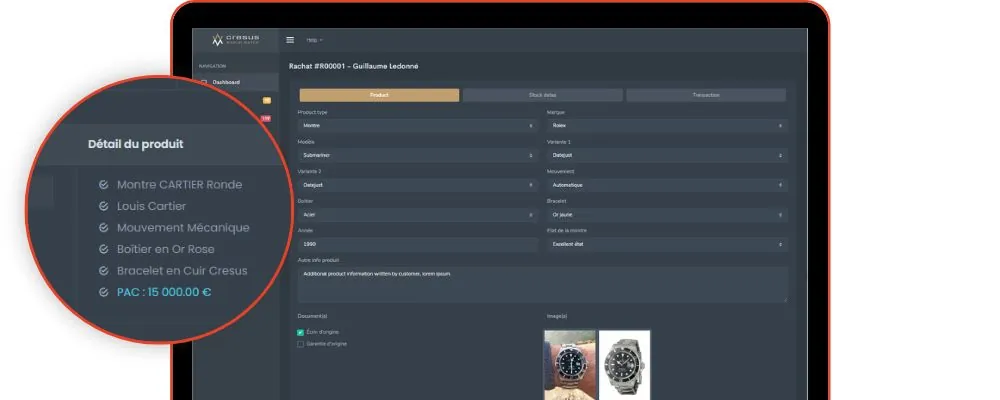
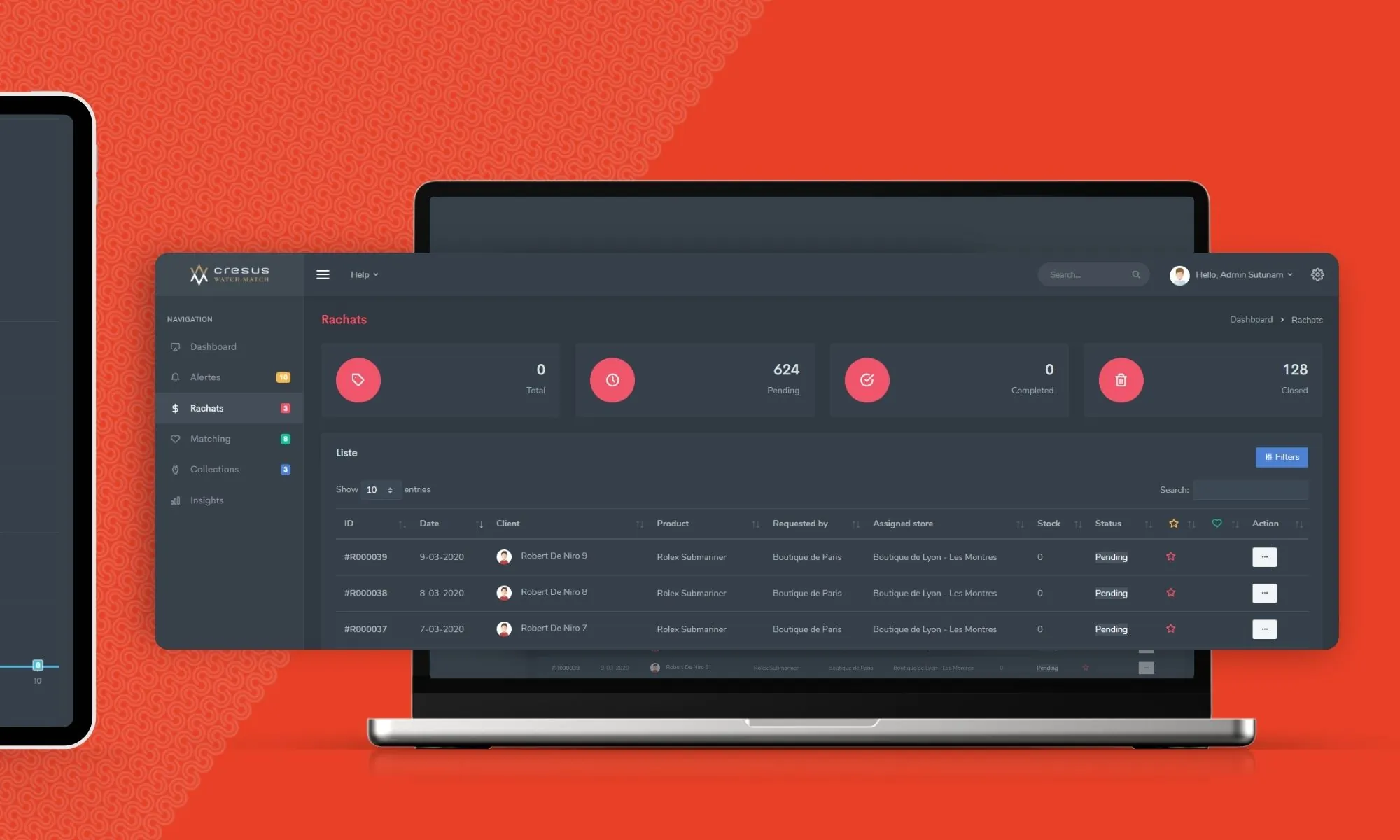
A business back office on Symfony. The middleware manages the trade entities: buy-back requests, alerts, printable consignment contracts assigned to a store, purchase orders. Each user sees their own store’s cases, with the right permissions.
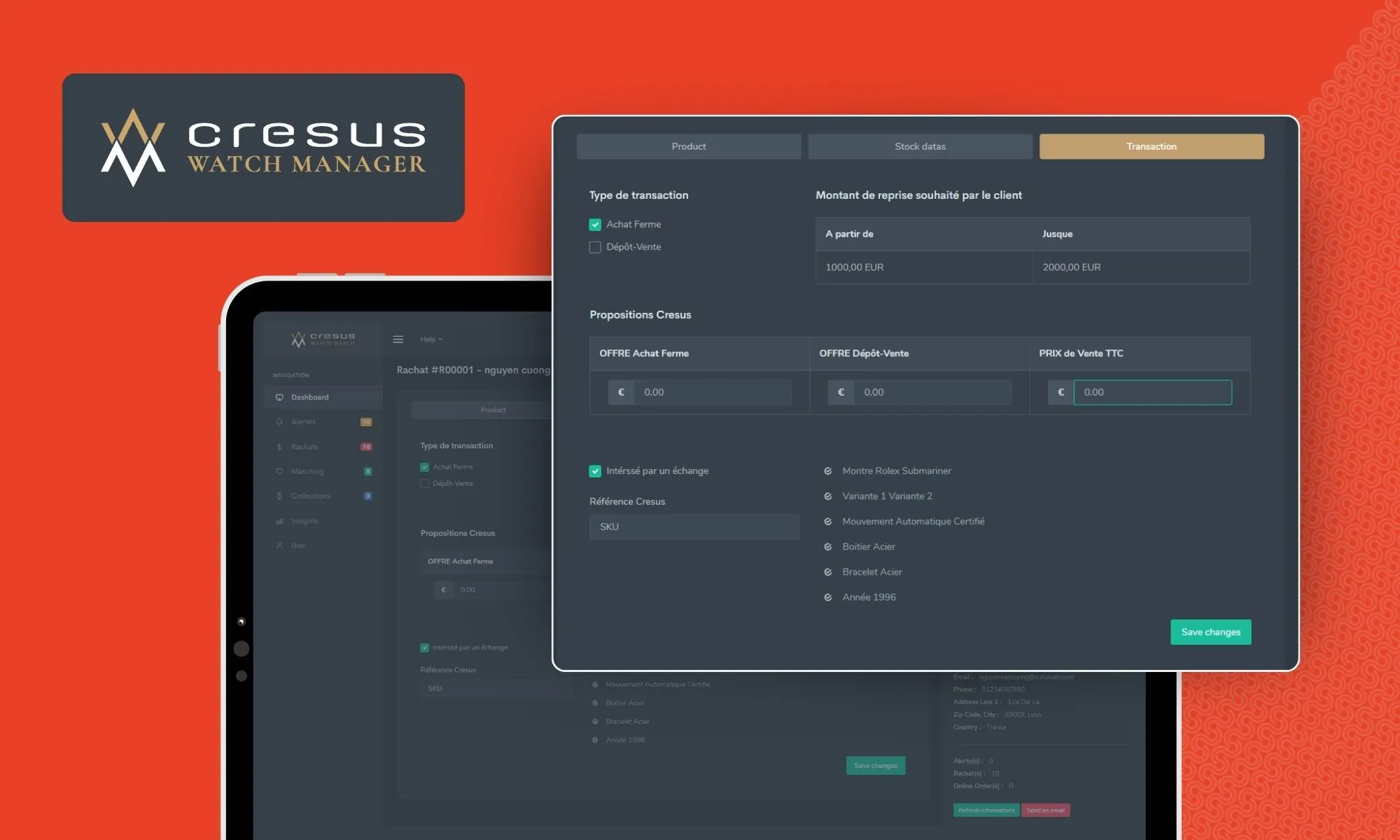
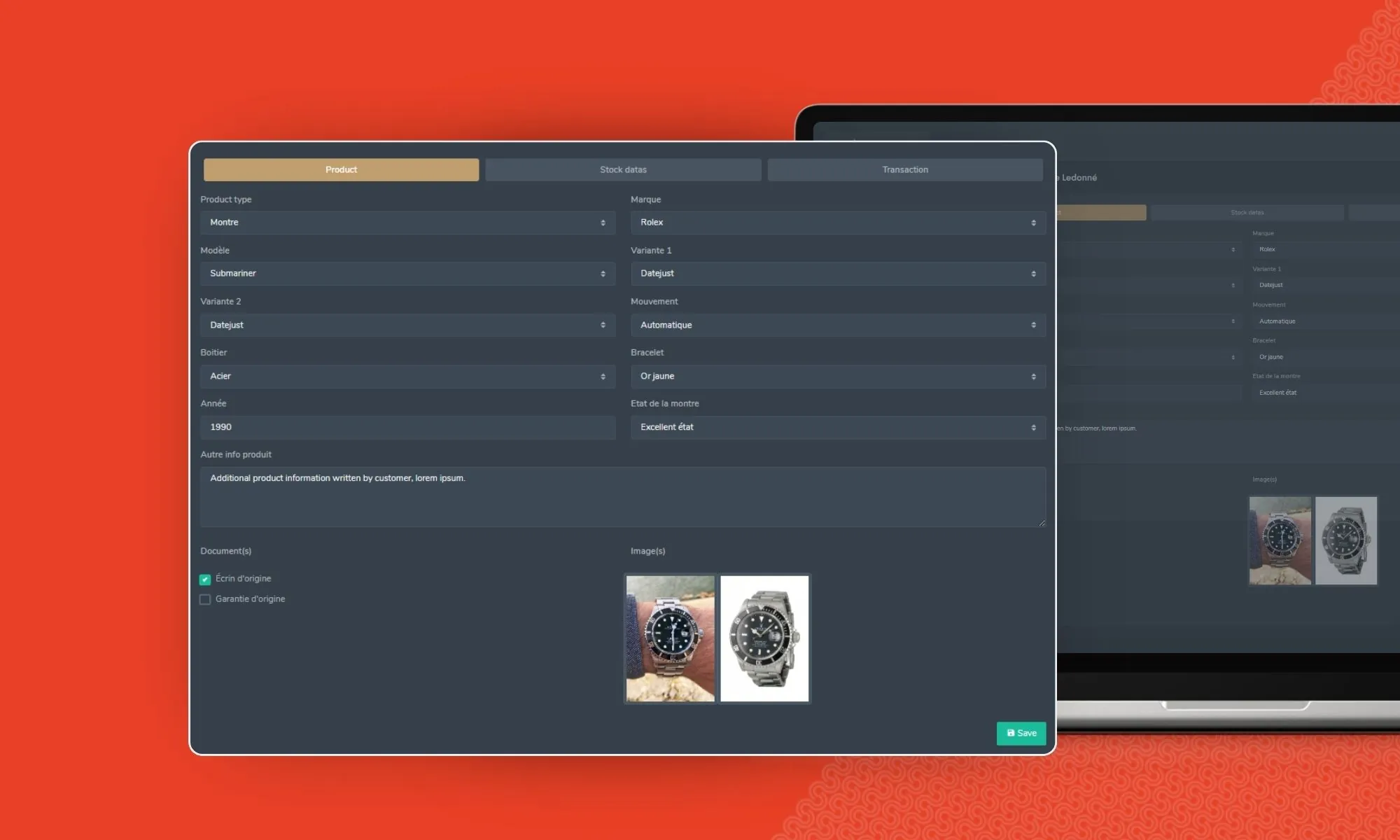
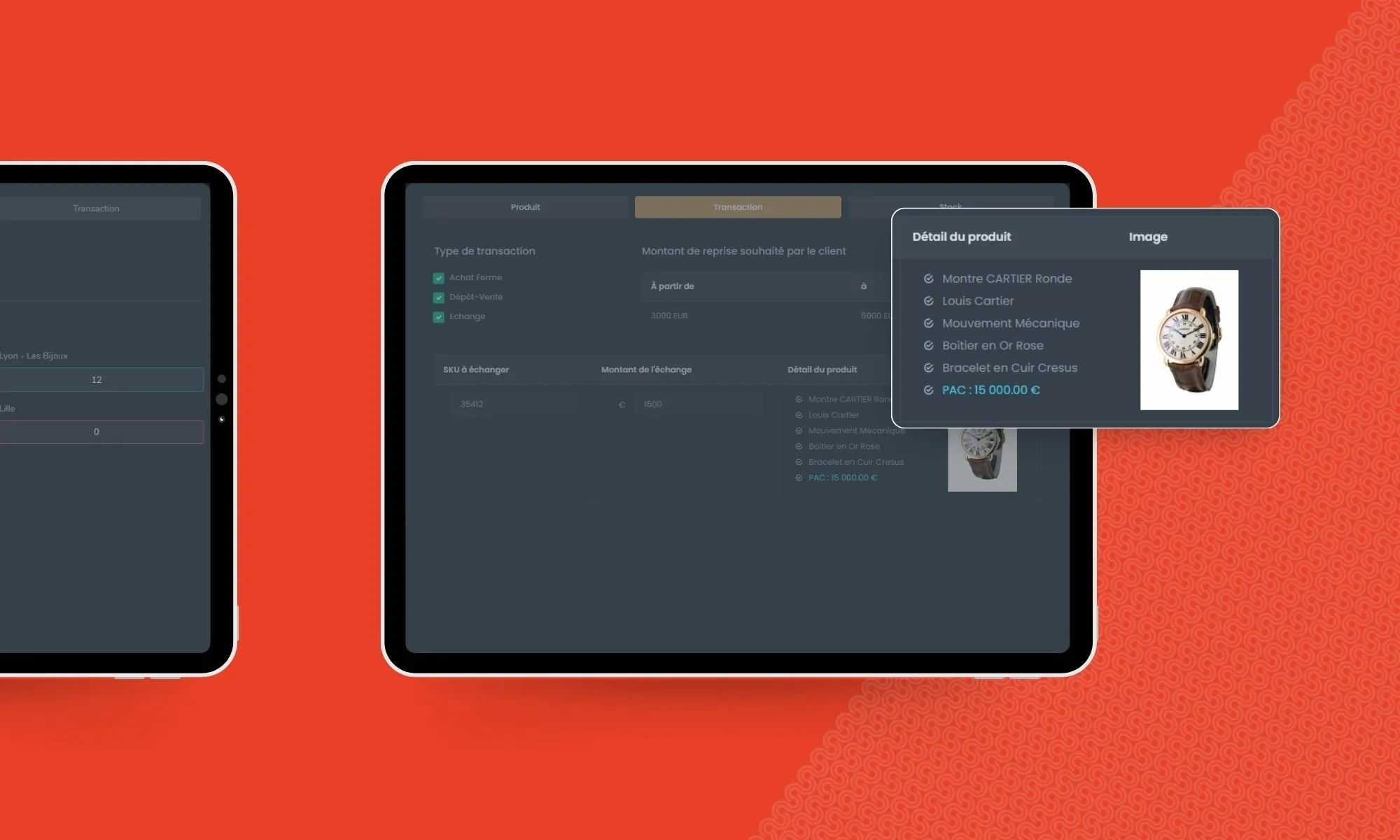
Buy-back end to end. The customer fills in a valuation form on the Magento site; the request lands in the middleware with the product data. The store makes an offer, follows the statuses (valuation sent, missing information, offer accepted or declined) and picks the type of transaction: outright purchase or consignment, with purchase price and refurbishing cost.
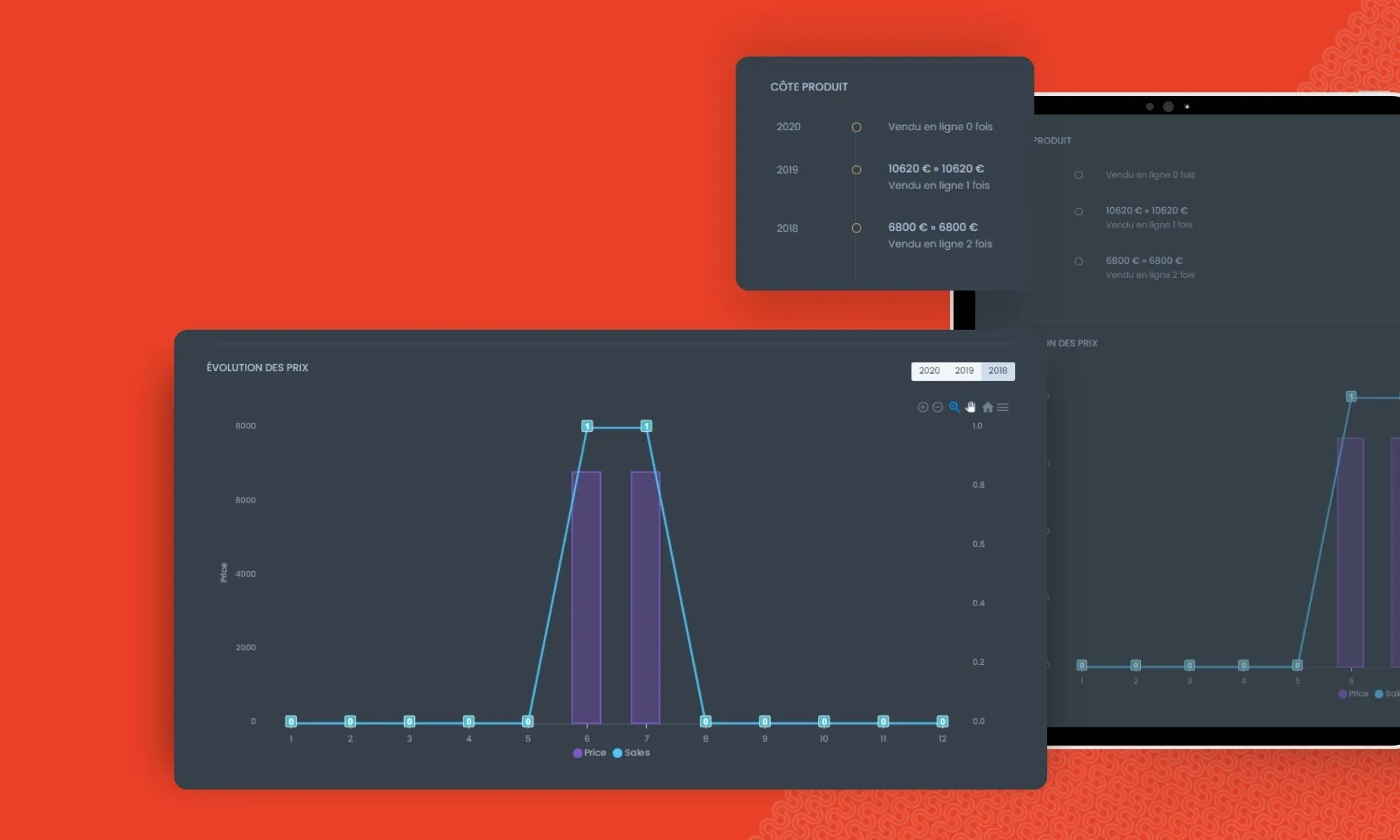
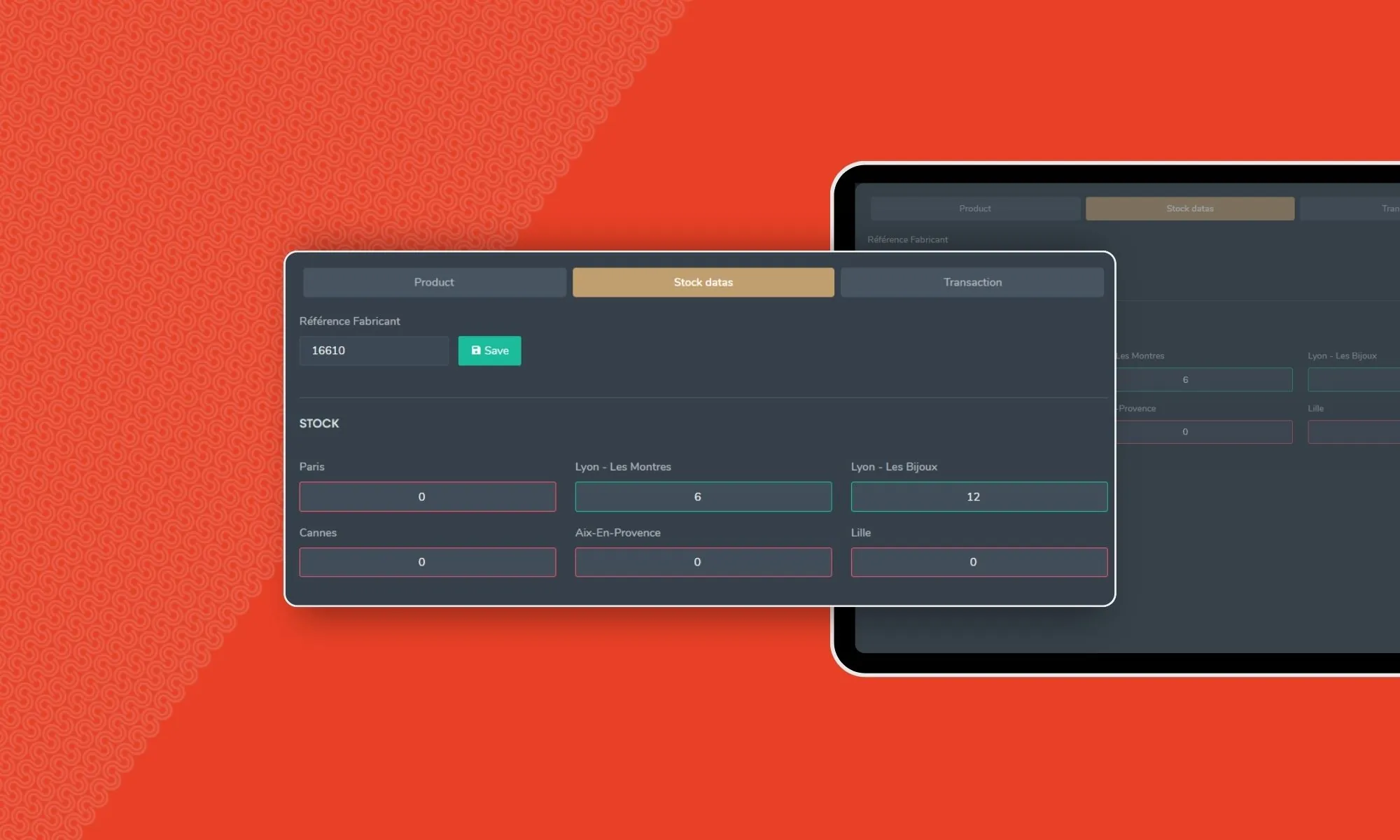
Price and stock. A price calculator, built from an Excel file and fed with partner data, suggests a value; each product page shows its rating, its price history and the stock per store. Customer alerts are matched with stock automatically.
Data for the website and for management. Seven APIs (products, attributes, customers, orders, buy-backs, alerts, grouped products) feed the Magento site, then the Vue Storefront PWA. Dashboards (“Insights”) and exports, including invoices in XML, give the overview. The same approach drives our ETL and our AI agents connected to the ERP today.
Buy-backs, alerts and stock in one tool, connected to the site
Buy-backs, alerts and stock in one tool, connected to the site
Business back office on Symfony, with rights per store and per user
Valuation and buy-back forms on Magento, sent to the middleware through an API
Buy-back tracking: statuses, offers, emails and transaction (outright purchase or consignment)
Customer alerts matched with stock, filtered lists and notification emails
Printable consignment contracts, assigned to a store
Price calculator built from an Excel file and partner data
Product page: rating, price history, stock per store, sales history
Seven APIs to Magento, then to the Vue Storefront PWA
“Insights” dashboards and exports (alerts, consignments, purchases, invoices in XML)
Data migration, deployments and continuous improvements
A tool built for the trade
APIs
business flows
data source
connected stores
A similar Magento project?
Get a Magento quote